

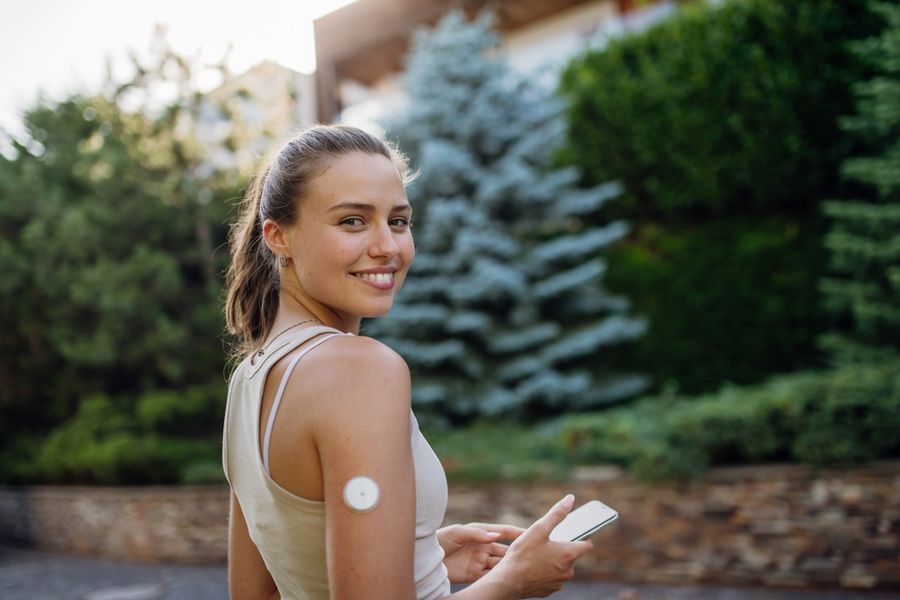
Technological advancements are reshaping diabetes management, offering innovative solutions like continuous glucose monitors and automated insulin delivery systems. These tools provide real-time data and proactive care, enhancing glycemic control and quality of life. As telehealth further integrates into diabetes care, understanding these innovations is crucial for optimizing treatment and improving health outcomes.
Tech Innovations in Diabetes Management
Diabetes management has seen significant advancements with the integration of technology, particularly through continuous glucose monitors (CGMs) and insulin pumps. These devices are transforming how individuals manage their condition, offering real-time data and automated insulin delivery. For instance, the Dexcom G7 and FreeStyle Libre 3 Plus provide continuous glucose monitoring without the need for fingersticks, enhancing the management of both type 1 and type 2 diabetes with real-time data . These innovations are not only improving glycemic control but also enhancing the quality of life for many patients.
Continuous Glucose Monitors (CGMs)
CGMs have become a cornerstone in diabetes management, offering real-time insights into blood glucose levels. These devices alert users to high and low glucose levels, allowing for timely interventions. The integration of predictive algorithms in CGMs can forecast glucose trends, enabling proactive management and reducing the risk of complications through predictive technology . This shift from reactive to proactive care is a game-changer for individuals with diabetes, providing them with the tools to maintain optimal glucose control.
Automated Insulin Delivery Systems
Automated insulin delivery systems, such as the t:slim X2 with Control-IQ Technology, are revolutionizing diabetes care by integrating with CGMs to automate insulin delivery. These systems predict glucose levels and adjust insulin rates to prevent hyperglycemia and hypoglycemia, offering features like automatic micro-correction boluses and smartphone integration for enhanced user control with advanced integration . The Omnipod 5 and Beta Bionics iLet systems further simplify management by automating insulin doses without the need for carb counting or pre-set basal rates.
Telehealth and Diabetes Management
Telehealth technologies are playing a crucial role in diabetes management by enabling interactive communication between patients and healthcare providers. These technologies allow for real-time adjustments in treatment plans through web-based portals and smart devices, facilitating self-monitoring of blood glucose levels, insulin dosage, diet, and physical activity via telehealth platforms . This approach not only enhances self-management skills but also improves adherence to treatment plans, ultimately leading to better health outcomes.
Challenges and Future Directions
Despite the advancements in diabetes technology, challenges remain, particularly in terms of accessibility and cost. Over-the-counter CGMs are becoming more accessible, providing options for individuals without insurance coverage. However, the cost and limited data on their effectiveness in non-diabetic populations remain challenges in accessibility . Looking ahead, healthcare professionals anticipate the introduction of novel diabetes devices, including dual CGM and continuous ketone monitors, which could further revolutionize diabetes management.
Why You Should Learn More About Tech Innovations in Diabetes Management Today
The rapid evolution of technology in diabetes management is significantly enhancing the quality of life for individuals with diabetes. From continuous glucose monitors to automated insulin delivery systems, these innovations are providing more precise and proactive management options. Understanding these technologies and their potential benefits can empower individuals to make informed decisions about their diabetes care. As the field continues to evolve, staying informed about the latest advancements can help individuals and healthcare providers optimize treatment plans and improve health outcomes.
Sources
Predictive technology in diabetes care