

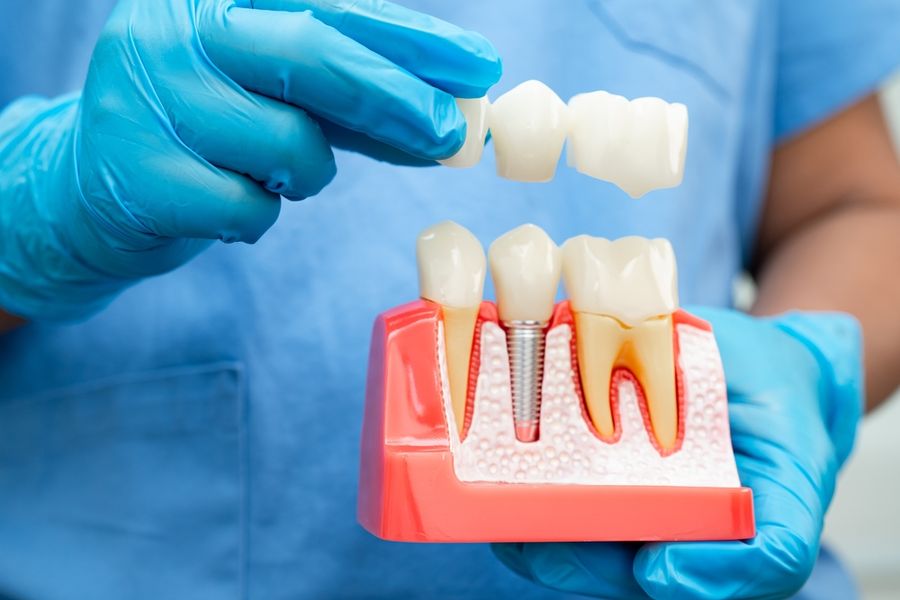
Recent advancements in dental implant technology have transformed the landscape of oral health, offering more effective and affordable solutions. Innovations such as 3D printing, smart implants, and regenerative therapies are enhancing precision, durability, and recovery times. These developments not only improve patient outcomes but also make high-quality dental care accessible to a wider audience.
Revolutionizing Dental Implants with New Technology
In recent years, dental implant technology has undergone significant advancements, making the procedure more effective and affordable. One of the most notable innovations is the integration of 3D printing in the creation of dental implants. This technology allows for the production of highly precise, customized implants tailored to each patient's unique anatomy, reducing both production times and costs. As a result, patients can now access high-quality implants at a more affordable price point without compromising on quality.
Smart Implants and Enhanced Materials
Another groundbreaking development in dental implant technology is the introduction of smart dental implants. These implants are equipped with sensors that monitor the health of the implant and surrounding tissues, providing real-time insights and early detection of potential issues. This innovation not only enhances the durability of the implants but also ensures a higher success rate. Additionally, the use of biocompatible materials such as zirconia and enhanced titanium has improved the success rates of dental implants. These materials offer excellent aesthetics, faster osseointegration, and greater stability, ensuring better integration with the bone.
Precision and Predictability in Implant Surgery
Computer-guided implant surgery has revolutionized the way dental implants are placed. This technology utilizes advanced imaging and software to meticulously plan the procedure, ensuring optimal implant placement. The result is improved functionality, aesthetics, and enhanced patient safety. The use of 3D imaging and digital treatment planning further enhances precision, reducing the margin of error and leading to better-fitting implants. These advancements have made dental implant procedures less invasive and more predictable, providing patients with a more comfortable experience.
Regenerative Solutions and Faster Recovery
Regenerative solutions, such as stem cell therapy, are being explored to aid in bone regeneration, making implants viable for patients with severe bone loss. This approach accelerates healing, reduces recovery times, and minimizes the risk of complications by enhancing tissue health. Additionally, the development of biodegradable dental implant materials, which dissolve as the bone regenerates, reduces the invasiveness of the procedure by eliminating the need for a second surgery to remove temporary supports. These innovations contribute to a faster and smoother recovery process for patients.
Affordability Without Compromising Quality
Advancements in dental technology have made affordable implant dentistry a reality. The use of advanced imaging and widely available implant systems has streamlined processes and reduced costs without compromising quality. Global sourcing of high-quality materials, such as titanium, allows dental practices to offer competitive pricing while maintaining safety and performance standards. Affordable implant systems adhere to the same safety standards as high-end practices, ensuring biocompatibility and structural integrity. This demonstrates that affordability does not equate to lower quality in implant materials.
Why You Should Learn More About Dental Implant Technology Today
The advancements in dental implant technology have made the procedure more accessible, efficient, and effective for a broader range of individuals. With innovations such as 3D printing, smart implants, and regenerative solutions, patients can now enjoy improved success rates, enhanced comfort, and superior aesthetics. The affordability of dental implants has also increased, making them a viable option for many. By staying informed about these technological advancements, individuals can make well-informed decisions about their dental health and explore the benefits of modern dental implant solutions.
Sources
3D Printing and Smart Implants