

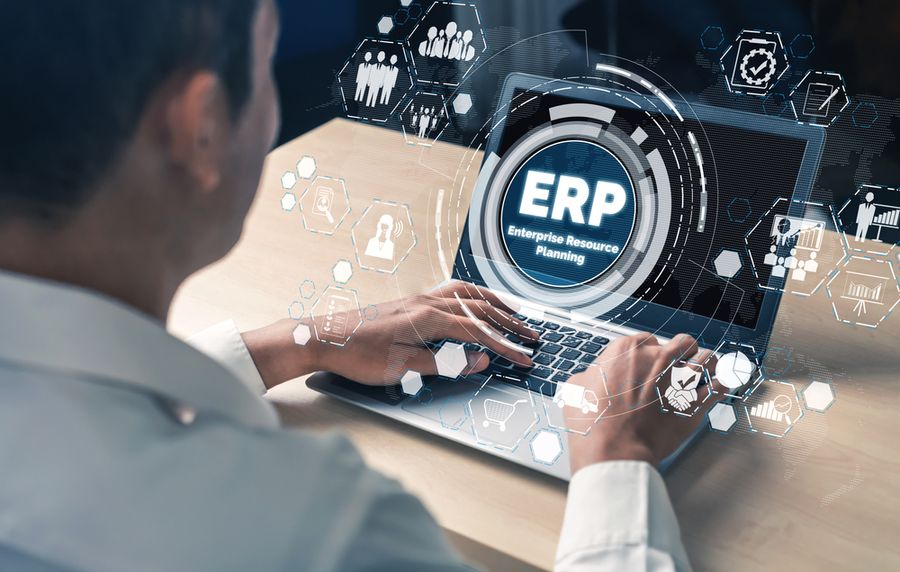
Enterprise Resource Planning (ERP) systems are pivotal in enhancing business efficiency by integrating key functions like accounting and supply chain management into a unified platform. These systems streamline operations, improve collaboration, and offer real-time insights, making them indispensable for modern businesses. Delve into the transformative benefits and considerations of ERP systems to understand their impact on business success.
Understanding ERP Systems for Business Efficiency
Enterprise Resource Planning (ERP) systems have become a cornerstone for businesses aiming to enhance efficiency and streamline operations. These systems integrate essential business functions such as accounting, procurement, and supply chain management into a centralized hub, providing real-time, accurate information that reduces data redundancy and errors while streamlining workflows through automation. By offering a single source of truth, ERP systems improve collaboration across departments, eliminate data silos, and enhance transparency, allowing decision-makers to access accurate and up-to-date insights for better decision-making across various departments .
Benefits of ERP Systems
ERP systems offer a multitude of benefits that contribute to business efficiency. They enhance resource management by optimizing inventory control, streamlining HR management, and improving financial oversight, which leads to efficient resource allocation and minimizes overstocking and enhances budgeting accuracy . Additionally, ERP systems provide advanced data analytics capabilities, consolidating data from all business functions to generate detailed, real-time reports. This allows for comprehensive data analysis, real-time dashboards, and predictive analytics, which improve responsiveness and forecast market trends and enhance decision-making .
ERP Systems and Customer Relationship Management
ERP systems extend their benefits to customer relationship management (CRM) by centralizing customer data, tracking order history, communications, and service interactions. This results in improved service response times and enhanced marketing decisions through better customer insights and improved CRM . Integrated CRM modules allow for better management and analysis of customer data, enhancing marketing and sales strategies and improving customer service .
Scalability and Flexibility of ERP Systems
Modern ERP systems, particularly cloud-based ones, offer scalability and flexibility across markets, geographies, and products. Their modular architecture allows businesses to deploy necessary components as needed, supporting growth and adaptation to changing business environments and ensuring long-term growth . This scalability supports business growth by standardizing and automating processes, enabling companies to handle higher workflow volumes and adapt to new market opportunities efficiently and effectively .
Challenges and Considerations in ERP Implementation
While ERP systems offer numerous benefits, they can be complex and require careful planning and role-based training to ensure successful implementation and avoid poor ROI. The transition to an ERP system can be time-consuming and costly, requiring careful consideration of software costs, implementation time, and change management to select the best system for an organization's needs and ensure successful implementation . Industry-specific ERPs can lower the total cost of ownership and provide access to industry expertise, improving efficiency and competitive advantage and meeting industry needs .
Why You Should Learn More About ERP Systems Today
ERP systems are a powerful tool for enhancing business efficiency, offering a centralized platform for managing daily operations and improving collaboration across departments. By integrating essential business functions and providing real-time data access, ERP systems streamline processes, reduce errors, and enhance decision-making. As businesses continue to evolve and face new challenges, understanding the benefits and implementation considerations of ERP systems is crucial for maintaining a competitive edge and supporting long-term growth. Exploring the advantages of ERP systems can provide valuable insights into how they can transform business operations and drive success in today's dynamic market.
Sources
ERP systems integrate and manage essential business functions
ERP software enhances communication and data accuracy
Centralized Information System improves collaboration